

 Facebook
 X
X
 Linkedin
The retail industry is undergoing a radical transformation. The convergence of evolving consumer habits, new generations of shoppers, and the unstoppable advance of technology has forced brands to completely rethink the customer experience.
Article Index
- New Challenges in a Multi-Generational Retail Era
- What today's consumers want
- Trends in Retail: How Technology Is Leading the Future
- Phygital Retail
- AI-Driven Personalization: Redefining the Retail Experience
- Redefining Customer Service: The Power of Generative AI and Chatbots
- Smart, Sustainable, Circular: The Power of Recommerce
- Subscription Retail Models: Driving Engagement and Predictable Growth
- Organizational Culture, Talent, and Training
- A new Consumption Paradigm
Today, selling is no longer just a transaction, it's about building an emotional connection, a shared narrative, and a value proposition that aligns with consumer values.
Among the most critical elements reshaping the industry are the emerging trends in retail that leverage both digital innovation and human insights.
New Challenges in a Multi-Generational Retail Era

In today's retail landscape, one of the most pressing challenges is navigating a highly diverse and complex consumer base, spanning multiple generations, each marked by different historical contexts, cultural influences and technological experiences.
The traditional one-size-fits-all retail strategy is no longer viable.
Instead, companies must offer differentiated experiences tailored to the unique expectations and values of each generation.
Silent Generation (1930–1948):
This group came of age in times of scarcity and turmoil, such as the Great Depression and World War II. As a result, they value practicality, frugality, and reliability.
In retail, they respond well to clear value propositions, courteous service and simple, easy-to-navigate environments, both online and offline. Physical stores remain important and trust is paramount.
Baby Boomers (1949–1968):
Growing up in a period of post-war prosperity, Boomers seek security, consistency, and nostalgia.
Many are loyal to brands they've trusted for decades and are drawn to traditional customer service, reward programs, and familiar products. However, increasing digital adoption among this cohort means that omnichannel strategies are becoming more relevant.
Generation X (1969–1980):
Often overlooked, Gen Xers are a pivotal segment. They place high value on quality, independence, and transparency. With busy lifestyles and significant purchasing power, they expect efficient service, trustworthy brands, and a balance between convenience and quality.
They were early adopters of e-commerce and now expect seamless integration between digital and in-store experiences.
Millennials (1981–1993):
As the first generation to fully integrate digital technology into their daily lives, Millennials seek authenticity, personalized engagement, and values-driven brands. They favor brands that stand for something and offer unique, shareable experiences.
Social proof, influencer marketing, and cause-based messaging resonate deeply with this group.
Generation Z (1994–2010):
Born into the age of smartphones and social media, Gen Z demands speed, inclusivity, and purpose.
They prioritize brands that align with their personal identity and social values.
TikTok trends, sustainability, and real-time customer interaction (e.g., chatbots, live shopping) influence their buying decisions. For this generation, brand relevance is as important as product quality.
Generation Alpha (2010 onward):
The youngest consumers, Gen Alpha, are true digital natives, often engaging with brands through voice assistants, AI-powered platforms, and immersive technologies like AR/VR.
They are growing up with hyper-personalization as the norm and will expect retailers to anticipate their needs even before they articulate them.
In this diverse environment, personalization takes center stage. Brands must identify each group's motivations to offer experiences that create emotional connection and long-term loyalty. This generational diversity further reinforces the importance of understanding and adapting to ongoing trends in retail.
What today's consumers want
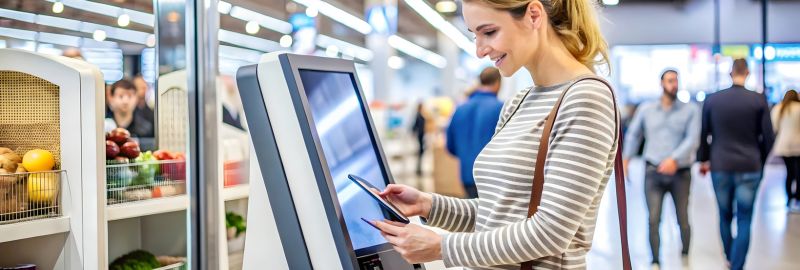
Modern consumers expect access to all products and services, anytime, anywhere, and in their preferred way. This demand requires:
● Instant digital channels: Real-time shopping, 24/7 availability, and fast responses.
● Physical interaction: Brick-and-mortar stores are reinvented as experience hubs.
● Hybrid personalization: Combining physical and digital channels for a full 360º experience.
● AI-driven logistics optimization: The use of artificial intelligence in warehouses enables faster inventory management, demand forecasting, and transportation automation, significantly speeding up delivery times and reducing operational errors.
Key trends in retail shaping this experience include:
● 360-Degree Experience: Covering all touchpoints to build a coherent relationship.
● Hyper-personalization: Leveraging data and technology to tailor offers and messages.
● Integrated sustainability: Consumers demand eco-conscious and socially responsible brands.
● Immersive experiences: Augmented reality, virtual reality, and simulations enhance engagement.
● Social commerce: Social media platforms serve as direct sales and customer service channels.
Consumers are drawn to brands with purpose and solid values. Consistency between what is promised and what is delivered has never been more vital.
The experience must be seamless, accessible, and above all, human. These qualities are now foundational components of the latest trends in retail.
Trends in Retail: How Technology Is Leading the Future
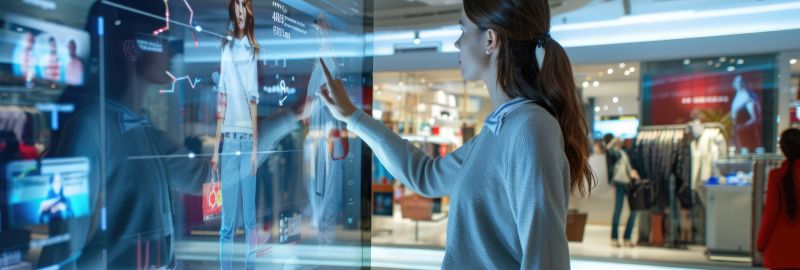
Technology isn’t just a tool it’s the driving force behind change. Here are some of the most influential trends in retail redefining the industry:
Phygital Retail
Over 70% of consumers interact with multiple channels before making a purchase, and more than 90% research online before visiting a store.
Retail spaces are evolving into showrooms, pickup points, community spaces, and experience centers that blend digital and physical interactions. This evolution is central to many trends in retail today.
This hybrid model encourages deeper brand engagement and builds trust. In-store technologies such as touchscreens, digital signage, mobile checkouts, and augmented reality tools enrich the experience and blur the line between online and offline.
Meanwhile, digital channels like apps and websites now extend the physical store's presence, allowing for appointment scheduling, product reservation, and tailored promotions.
The phygital trend is also reshaping store layouts and staffing. Retailers are investing in smaller, tech-enabled stores and empowering associates with mobile devices and real-time data to provide personalized assistance.
As the physical and digital worlds continue to merge, retailers who can deliver a fluid, consistent, and convenient experience across all touchpoints will stand out in a competitive market.
AI-Driven Personalization: Redefining the Retail Experience
Artificial Intelligence has become a key enabler of smarter retail strategies. It supports real-time recommendations, customer service automation, dynamic pricing, inventory optimization, and demand forecasting, helping retailers reduce costs while improving service.
One of AI’s most powerful applications is personalization. Algorithms process vast amounts of behavioral data to tailor every interaction, from product suggestions and homepage content to email campaigns and loyalty rewards. This creates a shopping experience that feels highly relevant and individualized.
Retailers leveraging AI can quickly segment audiences, predict preferences, and deliver personalized messages at just the right moment. For instance, if a customer abandons a cart, AI can trigger a customized follow-up email with a timely incentive or alternative product suggestion.
This level of personalization not only increases conversion rates but also boosts customer satisfaction and long-term loyalty.
Moreover, AI-driven analytics provide valuable insights into trends, allowing businesses to adapt faster to changing consumer demands. As data grows more accessible and algorithms become more sophisticated, personalization will continue to be a major competitive differentiator in the retail space.
Redefining Customer Service: The Power of Generative AI and Chatbots
Generative AI tools, such as advanced chatbots and virtual assistants, are transforming customer service and interaction in retail. They understand natural language, learn from past conversations, and can proactively guide shoppers through their purchase journey.
Available 24/7, AI-powered assistants improve both convenience and satisfaction. They can suggest products, handle returns, answer complex questions, and even help with decision-making based on individual preferences or needs. What’s more, they can operate across platforms from websites and mobile apps to messaging services and voice-activated devices.
The adoption of generative AI in retail is expected to grow significantly in the coming years, driven by the demand for faster service and more personalized support.
These tools not only reduce the burden on human staff but also ensure consistent service delivery, regardless of time zone or language.
In marketing and content creation, generative AI is also playing a role by producing product descriptions, promotional emails, and social media posts at scale. As these technologies become more refined, their integration into every layer of the retail experience will become the norm.
Smart, Sustainable, Circular: The Power of Recommerce
Roughly 80% of consumers are adjusting their habits toward more sustainable choices, and retailers are responding. One of the fastest-growing trends in this area is recommerce the resale of refurbished, returned, or gently used goods.
Recommerce offers a compelling value proposition: it allows consumers to shop more affordably while supporting environmental responsibility. For businesses, it opens up new revenue streams and helps extend the lifecycle of their products.
Retailers are launching buy-back programs, offering certified pre-owned items, and creating dedicated resale platforms. Some also use recommerce to showcase their commitment to circular economy principles, where waste is minimized, and materials are reused.
Sustainability is no longer an optional value, it’s a differentiator that influences brand perception and loyalty. Retailers that align with consumers’ eco-conscious values not only attract more customers but also position themselves as leaders in the future of commerce.
Frictionless Retail: Welcome to the Era of Subconscious Commerce
Anticipating consumer needs before they are consciously expressed is the next frontier in retail. Subconscious commerce is built on the ability of AI and data analytics to predict what a customer wants before they even begin searching for it.
This is made possible by combining behavioral data with contextual information such as time of day, season, previous purchases, and even device usage patterns. With enough data, brands can anticipate when a customer might need to restock a product or suggest a complementary item right as interest is building.
Subconscious commerce eliminates friction. Instead of forcing the shopper to initiate every interaction, the brand takes proactive steps, offering suggestions, reminders, or even auto-reordering options. It’s commerce that feels effortless, intuitive, and personalized at scale.
To succeed in this space, retailers must invest in robust data infrastructure, privacy-compliant data collection methods, and AI models that evolve with consumer behavior.
When done right, subconscious commerce enhances the overall shopping experience while boosting conversion and retention.
Subscription Retail Models: Driving Engagement and Predictable Growth
A growing trend worth noting is the rise of subscription models in retail, where customers pay a recurring fee to receive curated or customized products on a regular basis. This model taps into a desire for convenience, personalization, and discovery.
Subscriptions are especially popular in categories like food, fashion, beauty, pet care, and home goods. They offer retailers a steady stream of revenue while enabling deeper, more continuous customer relationships.
Consumers benefit from time-saving deliveries and personalized product selections. At the same time, retailers gain access to rich behavioral data, which they can use to refine offerings and increase the value of each shipment.
The key to success lies in ongoing innovation and customer engagement. Subscription models that evolve with user needs, incorporate feedback, and offer exclusive content or perks will continue to thrive.
As consumer expectations shift toward proactive service and curated experiences, subscriptions are emerging as a natural fit for the future of retail.
Organizational Culture, Talent, and Training
Success in the new era of retail also depends on people. Companies must foster a culture of innovation, promote continuous learning, and attract digital talent.
Collaboration across marketing, tech, operations, and customer service teams is vital for agility and eliminating silos.
Moreover, employees play a central role in delivering the customer experience.
Equipping them with digital tools, training them in new skills, and empowering them in decision-making are essential to create memorable service. As trends in retail evolve, talent development becomes a strategic priority.
A new Consumption Paradigm
Retail’s evolution is not just about embracing technology, it’s about redefining how brands connect with their audiences.
This means deeply understanding the customer journey, adapting strategies in real time, and leveraging digital tools to deliver exceptional experiences.
The future of retail is emotional, intelligent, and personalized. Companies that can harmonize human values with technological capabilities will lead the way into this new era of commerce. The key is to connect, understand, and evolve alongside the consumer.
The revolution has already begun. And it’s only just getting started. Stay updated and responsive to the emerging trends in retail to remain competitive in this dynamic landscape.