

 Facebook
 X
X
 Linkedin
The way we move through cities is undergoing a profound transformation. As urban populations grow and climate concerns intensify, smart mobility has emerged as a critical solution for shaping the future of passenger transport and mass transit.
Article Index
- Electric Mobility: A Shift Toward Zero Emissions.
- Intermodality & Mobility-as-a-Service (MaaS)
- Sustainable Public Transport: The Green Backbone of Cities
- Cutting-Edge Passenger Experience Through Technology
- Key Challenges Facing Passenger Transport Today
- How VASS is Driving the Future of Smart Mobility
Combining advanced technologies with sustainable practices, smart mobility aims to create transportation systems that are cleaner, more efficient, and more accessible than ever before.
From electric and autonomous vehicles to urban air mobility and integrated transport platforms, a wave of innovation is redefining how we travel—both individually and collectively. Governments, tech companies, and mobility providers are now investing heavily in infrastructure, digitalization, and green policies to meet rising demand and environmental targets.
In this article, we explore the top smart mobility trends transforming the transport sector today, uncover the challenges they face, and look ahead at what’s next for a smarter, more sustainable way to move people.
Electric Mobility: A Shift Toward Zero Emissions
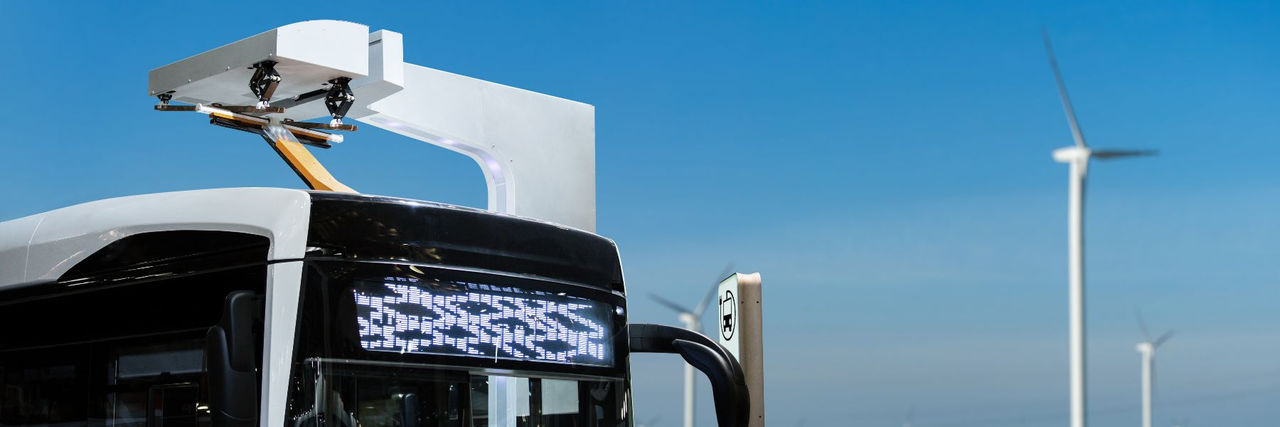
One of the most significant trends in smart mobility is the widespread adoption of electric vehicles (EVs) across both private and public transport sectors. As concerns about urban pollution and carbon emissions grow, electric mobility is becoming a cornerstone of sustainable urban development.
Public transportation fleets—including buses, trains, and taxis—are increasingly being electrified, driven by government incentives, stricter emission regulations, and advancements in battery technology. The benefits are substantial: reduced greenhouse gas emissions, improved urban air quality, and lower operational costs over the long term.
In the private sector, EV adoption continues to rise as infrastructure improves and consumer preferences shift toward greener alternatives. As more charging stations become available and range anxiety decreases, electric mobility is positioned to become the new standard, aiming to meet climate goals and improve the quality of air in cities.
Intermodality & Mobility-as-a-Service (MaaS)
In the age of digitalization, intermodality and Mobility-as-a-Service (MaaS) are revolutionizing the way people plan and experience their journeys. These concepts aim to unify different modes of transport—buses, trains, bikes, ride-sharing—into a single, seamless user experience.
Through integrated apps and platforms, users can plan routes, compare prices, access real-time data, and pay for their entire trip—all in one place. This shift enhances efficiency, reduces travel time, and promotes the use of public and shared transport over private vehicles.
MaaS is particularly powerful in urban environments, where flexibility and convenience are key. By encouraging multimodal travel, it also supports sustainability goals and helps alleviate congestion. As more cities embrace smart infrastructure and open data policies, MaaS platforms are set to become a cornerstone of smart mobility ecosystems.
Sustainable Public Transport: The Green Backbone of Cities
As cities commit to carbon neutrality and stricter environmental standards, sustainable public transport is becoming the backbone of urban mobility strategies. Electrified buses, trams, and high-speed trains are leading the way in reducing emissions and enhancing energy efficiency.
Electric and hydrogen-powered public transport systems not only lower greenhouse gas emissions but also contribute to cleaner air and quieter urban environments. Many cities are already replacing diesel fleets with zero-emission alternatives, supported by public investment and innovation in green technology.
The management systems behind the operation of public transportation are another key factor that helps cities become more efficient.
Beyond environmental benefits, sustainable public transport also promotes social equity by ensuring affordable and accessible mobility for all. As climate policies tighten, public transit will play an increasingly vital role in achieving sustainability goals and transforming cities into healthier, more livable spaces.
Cutting-Edge Passenger Experience Through Technology
Technology is redefining the passenger experience, making travel more seamless, personalized, and efficient. From AI-powered route optimization to real-time updates and smart ticketing, passengers now expect digital services as a standard part of their journey.
Artificial intelligence and big data are being used to anticipate demand, reduce waiting times, and tailor mobility services to individual needs. Enhanced connectivity, such as high-speed Wi-Fi and interactive screens on vehicles and in stations, further enriches the travel experience.
These tech-driven enhancements are not just about convenience—they also improve operational efficiency and passenger satisfaction. As digital infrastructure matures, the future of public and private transport will revolve around data, personalization, and user-centric design.
Key Challenges Facing Passenger Transport Today
While smart mobility is rapidly advancing, the transport sector still faces a series of structural and strategic challenges that must be addressed to ensure a seamless and sustainable future.
Sustainability Pressure
As climate change intensifies, transportation operators are under mounting pressure from governments, international agreements, and environmentally conscious users to drastically reduce emissions. Transitioning to electric or hydrogen-powered fleets involves not just acquiring new vehicles, but also investing in charging infrastructure, supply chain adaptation, and staff training. Moreover, sustainability goes beyond vehicles—it includes optimizing energy use in stations, improving waste management, and reducing the overall carbon footprint of the mobility ecosystem.
Outdated Infrastructure

Many urban and intercity transport systems still rely on decades-old infrastructure that cannot support the demands of modern mobility. Legacy rail tracks, inefficient signaling systems, and poorly connected stations hinder the deployment of smart technologies like automation, real-time data, and electrification. In many cases, infrastructure upgrades require large-scale investment, long implementation timelines, and complex regulatory approvals, all of which delay the transformation process.
Competition & Digitalization
The rise of ride-hailing apps, micro-mobility services, and user-centric digital platforms has raised the bar for what passengers expect in terms of convenience, personalization, and pricing transparency. Traditional operators must catch up by adopting digital ticketing systems, real-time journey planning tools, and AI-powered customer service, while maintaining operational reliability. The shift to digital requires not only new tools, but also a cultural transformation within transit authorities and companies.
Multimodal Integration
One of the pillars of smart mobility is seamless intermodality, yet achieving it remains a major challenge. True integration involves more than aligning schedules; it requires a centralized data system, interoperable payment methods, and coordinated user interfaces across various mobility providers. The lack of cooperation between public agencies and private services often leads to fragmented travel experiences that discourage the use of shared or public transport options.
Regulation & Compliance
Mobility innovations often outpace the speed at which governments can legislate. New forms of transport—such as autonomous vehicles or urban air mobility solutions—raise questions around safety standards, liability, airspace usage, and ethical concerns. Furthermore, compliance with evolving environmental, accessibility, and data privacy regulations requires constant legal and operational adaptation, especially for global operators that must navigate diverse legal frameworks.
Profitability & Operational Costs
Balancing innovation with financial viability is one of the toughest challenges in modern transport. High energy prices, fluctuating demand, and the need to constantly invest in technology, safety, and infrastructure place heavy burdens on operators. Public transport often requires subsidies to remain affordable and inclusive, but funding constraints may limit modernization efforts. Long-term sustainability will depend on creating cost-effective models that can scale without compromising service quality or environmental goals.
Smart mobility is reshaping passenger transport through innovation, sustainability, and a push for more connected and efficient systems. Trends like electrification, autonomy, urban air mobility, and multimodal integration are driving cities toward a cleaner, faster, and more inclusive future.
However, to ensure long-term impact, the sector must overcome key challenges—aging infrastructure, regulatory complexity, profitability, and resilience to global disruptions. Only through collaboration between public and private stakeholders can we build a truly smart and sustainable mobility ecosystem for all.
How VASS is Driving the Future of Smart Mobility
Companies like VASS are playing a pivotal role in accelerating the digital transformation of passenger transport. As a global leader in digital solutions, VASS brings together deep technological expertise, strategic consultancy, and agile execution to help mobility providers adapt to the demands of smart transportation.
VASS supports organizations in modernizing legacy infrastructure, integrating interoperable digital platforms, and optimizing passenger experiences through data-driven solutions. From enabling Mobility-as-a-Service (MaaS) models to deploying AI and automation for smarter operations, VASS empowers both public and private stakeholders to build connected, efficient, and sustainable transport systems.
By fostering innovation and aligning technology with strategic objectives, VASS helps mobility operators not only meet today’s challenges—but lead the way into the future of urban mobility.