
 Facebook
 X
X
 Linkedin
The manufacturing industry is undergoing a transformative era fueled by cutting-edge smart technologies and a renewed focus on sustainability and resilience.
Article Index
- Digital Integration in Manufacturing.
- Smart Factories
- Sustainability and Green Manufacturing.
- Artificial Intelligence (AI) and Generative AI in Manufacturing.
- Modernizing Operations with Edge Computing.
- Evolving Supply Chain Strategies
- Major Challenges in Manufacturing.
As the Fourth Industrial Revolution continues to unfold, manufacturers are integrating digital innovations with physical products, redefining efficiency, productivity, and environmental responsibility.
This article delves into the latest trends shaping the future of manufacturing and explores how businesses can thrive in this evolving landscape.
Digital Integration in Manufacturing
One of the most significant shifts in manufacturing is the integration of digital technologies with physical production. This fusion enhances operational efficiency, reduces costs, and improves customer experiences.
Modern consumers, particularly in sectors like the smart vehicle market, increasingly demand intelligent features such as navigation, voice control, and advanced safety mechanisms.
Digital transformation is no longer optional. Manufacturers are embedding sensors, automation, and real-time analytics into their processes to deliver highly customized and efficient solutions.
This digital integration forms the backbone of the smart manufacturing movement.
An increasingly important dimension of this evolution is the integration of ecommerce strategies within manufacturing, a shift often referred to as “Manufacturing Meets Ecommerce,” allowing companies to reach customers directly, personalize offerings, and gather actionable insights from digital consumer behavior.
Smart Factories

Smart factories are at the forefront of manufacturing innovation. These facilities use a combination of Artificial Intelligence, Machine Learning, the Internet of Things, and robotics to optimize production processes and enhance quality control.
Key innovations include:
● Digital twins: Virtual replicas of physical systems used to simulate, analyze, and optimize production.
● AI and ML: These technologies enable predictive maintenance, real-time decision-making, and automation of repetitive tasks.
● Robotics: Advanced robots are being used for tasks ranging from assembly to inspection, increasing speed and accuracy.
By implementing these smart technologies, manufacturers are not only improving efficiency, but also paving the way for the future of intelligent production.
Sustainability and Green Manufacturing
Sustainability has become a cornerstone of modern manufacturing. Companies are adopting green manufacturing practices to reduce their environmental impact.
This includes integrating renewable energy sources, using eco-friendly materials, and embracing circular economy principles.
Key sustainable strategies include:
● Electrification: One of the most impactful strategies is the shift toward electrification across operations. This involves replacing fossil fuel-powered machinery, vehicles, and production equipment with electric alternatives.
By integrating renewable energy sources such as solar or wind to power these systems, companies can significantly reduce their carbon footprint while improving operational efficiency and future-proofing against fuel volatility.
● Carbon Emission Reduction: Companies are increasingly adopting comprehensive carbon management plans. This includes optimizing supply chains, improving energy efficiency, investing in carbon capture technologies, and switching to low-emission materials.
These actions collectively reduce greenhouse gas emissions and position businesses as leaders in climate responsibility.
● Circular Economy: A circular approach moves away from the traditional 'take-make-dispose' model. It emphasizes product longevity, modular design, and systems that encourage reuse, repair, remanufacturing, and recycling.
By designing out waste and keeping materials in use for as long as possible, organizations not only conserve resources but also create new value streams from what was previously considered waste.
Green manufacturing is more than just a compliance measure, it's a strategic asset. It demonstrates commitment to sustainability, which increasingly influences purchasing decisions, brand loyalty, and investment.
As consumers and stakeholders grow more environmentally conscious, companies that embrace sustainable practices are better positioned for growth, innovation, and long-term success.
Artificial Intelligence (AI) and Generative AI in Manufacturing
AI, particularly generative AI, is transforming how manufacturers innovate, design, and deliver products. GenAI supports creative tasks, enhances productivity, and improves customer service by making data more accessible.
At VASS, we support the implementation of generative AI and machine learning models tailored to the needs of manufacturers, from accelerating R&D to enhancing user interaction through intelligent automation.
Applications of genAI in manufacturing include:
● Product Design: Rapid generation and testing of design concepts.
● Customer Interaction: AI-driven support tools that enhance satisfaction and engagement.
● Software Development: Automating content generation and streamlining software delivery processes.
By harnessing AI, manufacturers are gaining a competitive edge in both productivity and innovation.
Modernizing Operations with Edge Computing
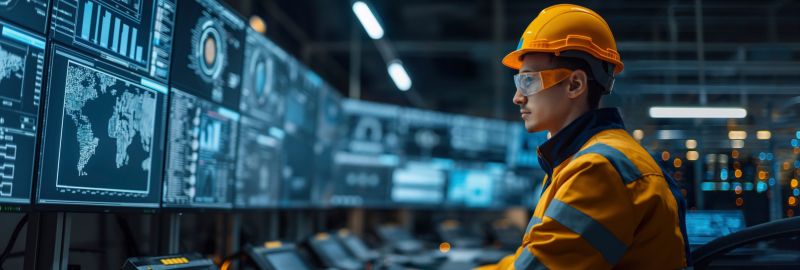
Edge computing processes data closer to the source, reducing latency and enabling real-time analytics. For manufacturers, this means faster response times and more accurate decision-making in dynamic production environments.
VASS contributes to edge computing strategies by developing secure, scalable architectures that process data locally, enabling manufacturers to act on insights in real-time without latency.
Edge computing supports:
● Real-Time Monitoring
● Enhanced Security
● Data Localization
These benefits contribute to smarter, more agile manufacturing operations.
Evolving Supply Chain Strategies
Supply chains are becoming more diversified and resilient. Manufacturers are adopting new strategies to address geopolitical risks, material shortages, and demand fluctuations.
Modern supply chain strategies include:
● Supplier Diversification: Sourcing from multiple regions to avoid dependence on single suppliers.
● Onshoring and Nearshoring: Moving production closer to consumers to reduce delays and costs.
● Friendshoring: Partnering with politically aligned nations to ensure supply security.
Chinese manufacturers are leading this trend by establishing operations closer to European customers, signaling a shift from being just low-cost suppliers to competitive global players.
Major Challenges in Manufacturing
Despite significant advancements, the manufacturing sector faces numerous challenges:
Navigating Global Trade Dynamics
In an increasingly complex global economy, manufacturing companies face constant shifts in trade agreements, tariffs, import/export regulations, and political landscapes.
These changes can directly impact costs, lead times, supplier relationships, and overall market access. A single policy change can disrupt supply chains or create new opportunities in emerging markets.
To remain competitive, manufacturers must build agile strategies that allow them to adjust sourcing, logistics, and production footprints quickly. This includes investing in trade intelligence tools, regional partnerships, and flexible operations that can scale or shift based on global developments.
Staying informed and responsive to trade dynamics is no longer optional, it’s a core requirement of modern manufacturing strategy.
Addressing Smart Manufacturing Complexities
Implementing smart manufacturing systems involves navigating a wide range of interconnected challenges that can slow or even stall digital transformation within industrial environments. Some of the most common hurdles include:
● Fragmented Customer Demands: Customers demand fast, personalized, and sustainable products. Manufacturers must quickly adapt production to meet shifting market expectations.
● Labor Cost Increases: Labor is becoming more expensive across regions. Smart manufacturing helps reduce these costs through automation and greater process efficiency.
● Talent Shortages: There’s a shortage of skilled workers who can manage advanced manufacturing technologies. Upskilling and training are essential.
● Technology Integration Challenges: Integrating modern digital tools with legacy systems can be complex. Seamless interoperability is key for manufacturing transformation.
● Geopolitical Tensions: Trade barriers and political instability disrupt global supply chains. Resilient manufacturing strategies are needed to manage these risks.
● Stringent Environmental Regulations: Environmental standards are becoming stricter. Manufacturers must invest in cleaner processes to remain compliant and competitive.
Navigating these challenges requires strategic planning and investment in technology and people.
Driving Operational Excellence
Operational excellence is the cornerstone of a successful smart manufacturing strategy. By leveraging digital tools and automation, manufacturers can achieve substantial improvements in efficiency, consistency, and output:
● Optimizing Production: Smart manufacturing systems enable real-time performance analysis across production lines, helping identify bottlenecks, adjust parameters on the fly, and maximize throughput without compromising quality.
● Reducing Downtime: Predictive maintenance uses sensors and AI-driven analytics to identify potential equipment failures before they occur. This minimizes unplanned outages and improves overall equipment effectiveness across manufacturing environments.
● Improving Output Quality: With machine vision and real-time monitoring, manufacturers can enforce quality standards at every stage of production. This results in higher product consistency and significantly reduces defect rates.
● Automating Repetitive Tasks: Tasks such as assembly, inspection, and packaging can be automated using robotics and machine learning. This frees human workers to focus on higher-value activities like innovation, engineering, and strategic decision-making within the manufacturing process.
These improvements not only boost profitability but also free human workers for more valuable, creative tasks.
Unlocking the Power of AI and Data
Artificial intelligence (AI) and advanced data management are transforming manufacturing from reactive to proactive and even predictive operations.
● Accelerate Innovation: Analyzing large datasets from production environments helps uncover inefficiencies and performance issues. This shortens development cycles and fosters a culture of continuous innovation within manufacturing teams.
● Enhance Product Design: Customer usage data and simulation tools allow teams to refine designs early and often. This enables manufacturing teams to create products that are more functional, reliable, and aligned with consumer needs.
● Predict Market Trends: AI-powered market intelligence tools help manufacturers anticipate demand shifts and adapt production plans proactively. This enables more agile and informed manufacturing operations.
Digital twin technology, combined with AI, enables simulation of user behavior and operational environments, providing deep insights into product performance and consumer preferences.
Closing the Skills Gap
Technology is only as effective as the people using it. Bridging the growing talent gap is one of the most pressing challenges in modern manufacturing.
● Invest in Workforce training: Companies must implement continuous technical training programs in partnership with universities, trade schools, and online platforms. This ensures current and future employees are equipped to thrive in a smart manufacturing environment.
● Create Attractive Career Paths: Manufacturing requires a rebrand. By positioning itself as a forward-looking, innovative, and tech-driven industry, it can attract younger generations and retain top talent across engineering, operations, and digital transformation roles.
● Leverage Automation to Complement Human Roles: Automation should enhance, not replace, human workers. The most successful smart manufacturing strategies blend intelligent automation with human judgment, creativity, and problem-solving.
Addressing this gap is essential for sustaining growth and innovation.
Adapting to a Changing Global Landscape
Manufacturers must balance local, near, and global production capacities. Key areas of focus include:
● Electrification and Decarbonization of Factories: Sustainable operations are no longer optional. Factories must invest in electrification, renewable energy sources, and energy-efficient systems to remain competitive in a decarbonized manufacturing economy.
● Harmonizing Hardware, Software, and Human Resources: True smart manufacturing happens when intelligent machines, digital platforms, and skilled human operators work in harmony. This requires a systems-thinking approach and integrated leadership.
● Building Resilient and Flexible Operations: Rigid supply chains are giving way to flexible, distributed manufacturing models. By building resilience into sourcing, logistics, and production networks, manufacturers can respond faster to market shifts and unexpected disruptions.
Adaptability is crucial for success in an unpredictable global environment.
Regulatory Compliance
Manufacturers face increasing regulations across various domains:
● Product Standards and Quality Control: Meeting rigorous quality and safety standards is essential for market access. End-to-end traceability, made possible by smart manufacturing systems, ensures compliance at every stage of production.
● AI and Automation Policies: As AI and automation become more common, manufacturers must comply with emerging regulations regarding transparency, data privacy, and algorithmic accountability. Proactive compliance avoids fines and reputational damage.
● Supply Chain Regulations: Governments are demanding more transparency around sourcing, labor conditions, and environmental impact. Smart manufacturing platforms can provide the visibility needed to comply with these mandates.
● Cybersecurity and Digital compliance: Digital manufacturing systems are vulnerable to cyber threats. Adhering to cybersecurity frameworks such as NIST and ISO 27001 safeguards critical infrastructure and ensures compliance with industry-specific guidelines.
● Recycling and circular economy mandates: Regulations around product lifecycle and waste reduction are reshaping manufacturing design and operations. Products must be built for durability, repairability, and recyclability, driving a shift toward more circular models.
● Environmental regulations: Environmental compliance spanning emissions, waste management, and resource use is increasingly tied to brand reputation and investor confidence. Smart manufacturing provides tools for real-time monitoring and reporting, ensuring regulatory alignment.
Navigating these requirements is essential for market access and brand reputation.
The manufacturing industry is at a pivotal moment, driven by smart technologies, sustainability imperatives, and a rapidly changing global environment.
Embracing digital integration, investing in AI and automation, and adopting green practices are no longer optional, they are essential for success.
Manufacturers that proactively address challenges such as supply chain resilience, regulatory compliance, and the skills gap will be better positioned to lead in the next industrial revolution.
With strategic investments and innovation, the future of manufacturing holds immense potential for growth, efficiency, and sustainability.
In this context, VASS supports the transformation of the manufacturing industry by integrating smart technologies, AI, and sustainable strategies.
With expertise in digital innovation, VASS helps manufacturers enhance efficiency, build resilient operations, and meet the challenges of a changing global landscape, driving the future of intelligent and sustainable production.
FAQ: The Future of Manufacturing
What is smart manufacturing?
Smart manufacturing combines technologies like AI, IoT, edge computing, and automation to optimize production, reduce errors, and increase efficiency. It enables real-time, data-driven decision-making.
What are the benefits of generative AI in manufacturing?
Generative AI accelerates product design, enhances customer experience through automated support, and optimizes R&D, software development, and production processes.
How does edge computing impact industrial production?
Edge computing reduces latency by processing data locally, enabling greater security, real-time analytics, and faster decision-making on the factory floor.
What is green manufacturing and why is it important?
Green manufacturing aims to reduce environmental impact through renewable energy, electrification, circular economy practices, and emissions reduction. It boosts brand reputation, lowers costs, and appeals to eco-conscious consumers.
What are the main challenges in implementing smart manufacturing?
Key challenges include integrating with legacy systems, talent shortages, rising labor costs, increased demand for customization, and strict environmental regulations. Overcoming these requires planning, training, and flexible digital architectures.
How does digital integration affect the manufacturing process?
Digital integration connects physical production with automation and analytics tools, improving efficiency, lowering costs, and enabling real-time customization. It forms the foundation of smart manufacturing and D2C (direct-to-consumer) strategies.